Art Wedding Illustration: Elevating Modern Visual Design
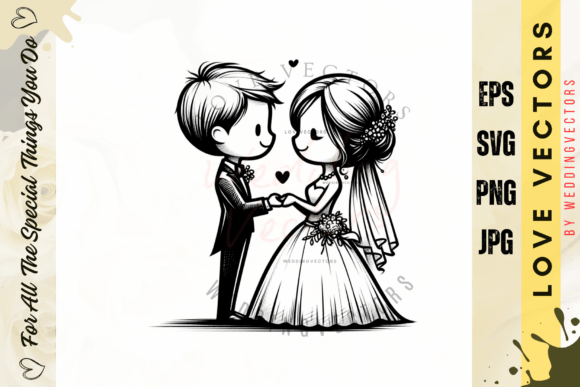
The search for unique, emotionally resonant visual assets often leads designers to discover the power of an Art Wedding Illustration. More than just a decorative element, this style of art captures intimacy and narrative, offering a sophisticated alternative to standard photography or generic graphics in various creative projects.
Understanding the Aesthetic
An Art Wedding Illustration typically features stylized representations of couples, floral arrangements, or ceremonial settings. In the context of graphic design, these assets serve as focal points that inject personality into a layout. Unlike stock photography, illustrations allow for specific color palettes and stylistic consistency that align perfectly with a client's brand identity. Whether it is a delicate line art sketch or a vibrant watercolor rendering, the visual impact is immediate and distinct.
Practical Applications in Design Projects
While the name suggests a specific niche, the utility of this design asset extends far beyond wedding invitations. Designers can leverage these illustrations to add a human touch to corporate communications or digital platforms. Consider the versatility of this style in the following scenarios:
- Branding and Logo Design: Using an illustration as the central motif for a logo creates a bespoke feel, ideal for boutique businesses, event planners, or lifestyle brands.
- Social Media Graphics: Hand-drawn or artistic elements often outperform standard images on platforms like Instagram and Pinterest, increasing user engagement through visual hierarchy.
- Web and UI Design: Custom illustrations break the monotony of grid-based layouts, guiding the user’s eye and improving the overall user experience.
- Packaging and Print Design: For physical products, an Art Wedding Illustration adds a layer of premium quality and tactile appeal that standard vector shapes cannot replicate.
Integrating Assets into Your Workflow
When sourcing a ZIP file containing a JPG or other formats, it is essential to evaluate the asset against your project's existing color palette. A high-quality illustration should be versatile enough to serve as a background texture or a standalone hero image. Pay attention to the visual hierarchy; ensure the illustration supports the text rather than competing with it. For instance, using a semi-transparent overlay of the illustration can create depth in editorial design without sacrificing readability.
Tips for Effective Implementation
To maximize the value of your creative assets, consistency is key. Ensure the line weight and shading style of the illustration match other graphical elements in your design workflow. If you are working on a branding project, extract specific color values from the illustration to use in typography or background fills. This creates a cohesive visual design language.
Furthermore, consider the scalability of the image. While a JPG is excellent for digital use, ensure the resolution is high enough for print design applications like brochures or business cards. When used thoughtfully, an Art Wedding Illustration does more than decorate a page; it tells a story, evokes emotion, and solidifies the professional presentation of any creative project.